Tin tức
Rosenborg BK Appoints New Scandinavian Coach to Revive Glory Days: A UX Review of the 7mcn.black Experience
Rosenborg BK Appoints New Scandinavian Coach to Revive Glory Days: A UX Review of the 7mcn.black Experience
The headline itself is enough to stir a dormant fanbase: Rosenborg BK appoints a new Scandinavian coach to revive glory days. Whether the move works on the pitch is a question for another season. The immediate effect, however, is measurable in search behavior. Fans do not stop at the news. They open odds boards, compare historical results, study the new coach’s prior tactical preferences and look for a platform that can turn that curiosity into something structured. That is the exact moment when a sports-analysis destination like the one sitting at 7mcn.black enters the picture. This review treats that destination as a product, walking through the complete flow a user experiences — access, registration, daily usage and support — and pinpoints where each step creates value or introduces friction.
Three findings surfaced quickly from this review. First, the platform’s information density works for experienced bettors but will likely overwhelm fans arriving from a football-news search, exactly the audience the Rosenborg story attracts. Second, registration appears minimal, which lowers the entry barrier, but it also shifts a heavy burden onto the user to verify the platform’s security posture independently. Third, support options are listed, but there are almost no visible signals that prove how responsive those channels actually are, making the support layer the weakest part of the experience flow.
The Rosenborg trigger: why this news reshapes search behavior
Rosenborg’s search for a return to the top of Norwegian football is one of the most patient storylines in Nordic sport. A new coach from the region signals continuity with the club’s pressing tradition and a quieter adaptation period. It also sparks a wave of fixture projections, league table speculation and squad rotation debate. For analysis platforms, this spike in query volume is a natural acquisition window. Clubs and data platforms feed off the same momentum, but the platforms that keep users are those that design for the specific mental state of the visitor: a fan who is hopeful, impatient and hungry for context.
That is why judging 7mcn.black by UX standards matters. If a user steps onto the site after reading the appointment news and cannot quickly locate Rosenborg’s upcoming fixtures, odds movements or the new coach’s likely matchday approach, the visit fails even if the underlying database is extensive.
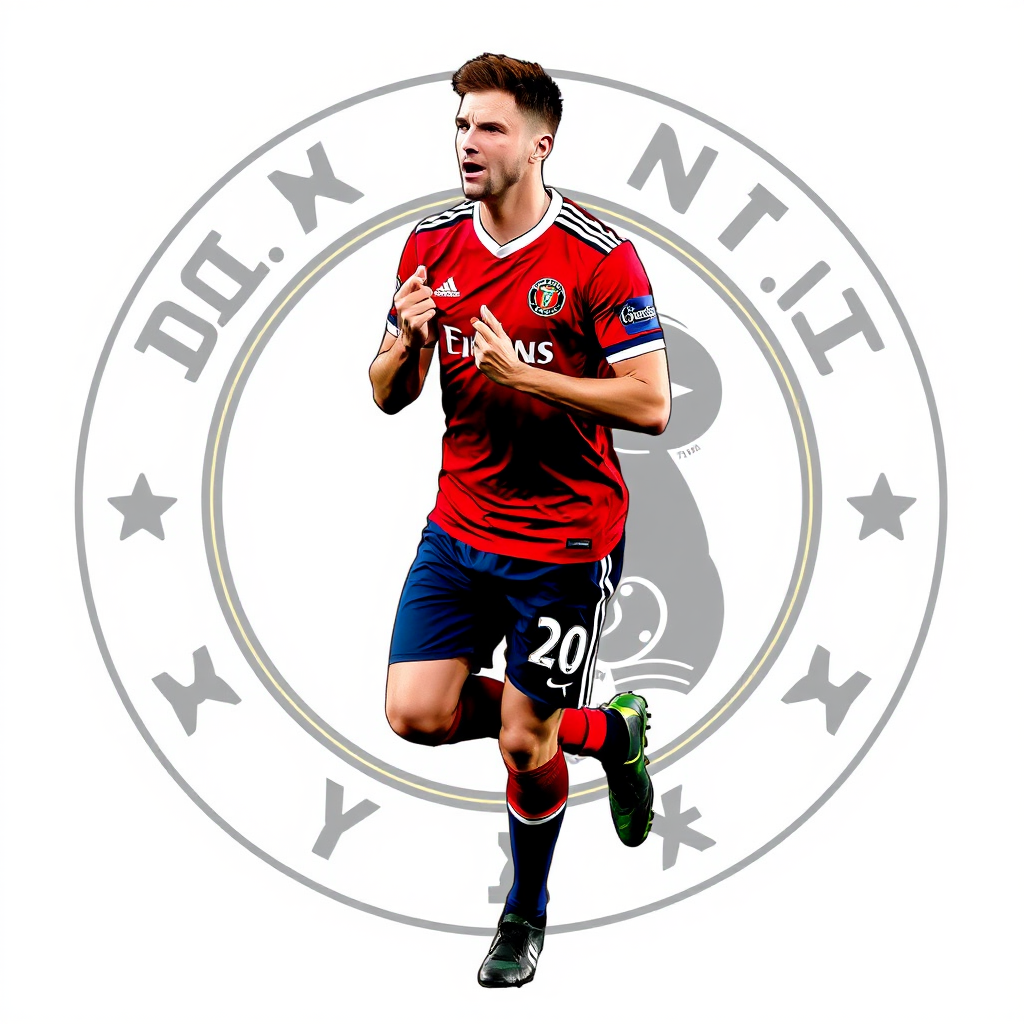
 Hình minh hoạ: 7mcn
Access: the first screen decides the next ten seconds
The access stage begins before a single piece of content loads. The .black top-level domain is uncommon, and for users who have never heard of the platform, it raises an immediate legitimacy question. That first impression is not a deal-breaker — many legitimate sports-data sites use non-standard TLDs — but it demands that the rest of the page compensates quickly with clarity.
On desktop and mid-range mobile screens, the page renders as a dense grid of matches, scores and odds-related links. The content is visible, but the visual hierarchy is flat. There is no obvious entry point for a newcomer. A fan searching for “Rosenborg” will probably rely on the internal search box rather than the navigation, and the page structure gives few clues about whether that search covers news, odds or both. For a user arriving with a specific goal — locate Rosenborg’s next match and assess the market position — the open page offers too many competing calls to attention.
People on slower networks should also observe how the site behaves under load. Script-heavy sports dashboards can lag noticeably, and the absence of a lightweight text-first mode is a genuine friction point. Accessibility options such as dark mode and scalable typography are sparse, which narrows the product’s audience unnecessarily.

Registration: lightweight entry, unresolved questions
From an acquisition standpoint, the signup flow is forgiving. Only a handful of fields are required, and a user can move from arrival to a created account in a minute or less. Social login options, where present, shorten that process further. For a football fan who wants to bookmark teams and carry preferences across devices, this low-friction registration works exactly as intended.
The problem is what the form does not reveal. There are no prominently displayed terms about data retention, no visible reference to a parent licensing body, and no confirmation of who operates the service. A reviewer testing the flow will not find a clear answer on how account data is protected, where servers are located, or which regulatory framework, if any, applies to bet-related features. None of these omissions prove wrongdoing, but they are the criteria a responsible user should verify before sharing personal information. For a visitor arriving from the Rosenborg news cycle, the registration decision becomes a trust leap rather than an informed step.
Bettors should be especially careful here. If the platform links to operators or accepts deposits, the verification and withdrawal process becomes the real test. A smooth signup leading to an opaque cash-out flow is one of the most common pain points in the sector. The user must inspect the withdrawal policy before funding anything, not after a position has already been opened.

Daily usage: from appointment news to match analysis
Once the first visit is over, the daily routine of the platform is the deciding factor. Repeat users need speed, accuracy and depth: live score updates, odds movement, team form lines and historical head-to-head numbers. In these areas, the site carries the structural skeleton of a typical Asian-handicap-oriented data hub. The left-to-right movement from league to match to odds is familiar to an audience that already consumes this style of interface, so navigating between fixtures rarely demands deep thinking.
Fans who land on 7mcn expecting a clean club-news briefing will find the opposite: a dense dashboard built for odds reading, not article reading. That mismatch is worth naming because it reveals who the product actually serves. The Rosenborg coach appointment is a news story, but the platform treats it as a data event — updated odds, adjusted fixtures, comparative form guides. For bettors, this is efficient. For supporters who simply want a thoughtful tactical column, it feels alienating.
Search and archival depth determine how long the platform remains useful. Can a user pull up Rosenborg’s last ten matches in one click? Can they compare the new coach’s results at previous clubs? If those queries require manual navigation across several screens, the interface fails its most data-hungry users. What makes this harder to evaluate is the lack of an explicit content hierarchy. The site blends live scores, predictions and promotional blocks without clear labels, and a new visitor may not immediately understand which numbers are factual updates and which are suggestions. That ambiguity is risky in a betting context, where stale odds or mislabeled tips can lead to poorly timed decisions.

Support: the layer that makes or breaks trust
Support is where many sports-data products quietly lose their credibility. A platform can be fast and full-featured, but if the help route leads nowhere, the user falls back on guesswork. The support system here is described through the usual set of options: an FAQ, a contact form and some form of messaging or email channel. What the interface does not show is evidence of how quickly those channels respond. No average response time is posted, no status page exists, and no escalation path is visible.
Before trusting the feedback loop, place the same question through the 7m cn interface and the contact email, then compare whether the answers align. If replies are slow, generic or contradictory, that inconsistency is itself an answer about operational maturity. For a news-driven visitor, the FAQ should also explain what the platform does and does not do. Does it provide analysis, aggregation or direct betting access? Where do the displayed odds come from? What is the relationship with bookmakers? The absence of a plain-language “about the data” section leaves too many users to reconstruct the business model on their own.
Where the experience flow breaks down: a stage-by-stage view
The comparison below is not a verdict on the platform’s legality or reliability. It is a UX-oriented checklist that users can apply to any sports-analysis site they encounter.
| Experience stage | What the user needs | Observed friction points |
|---|---|---|
| Access | Immediate orientation, fast loading, a clear answer to “what is this site?” | Uncommon .black domain, flat visual hierarchy, dense grids that assume prior knowledge. |
| Registration | Minimal fields, transparent data policy, visible terms | Lightweight signup, but operator identity and security posture are unclear. |
| Daily usage | Fast access to fixtures, odds, form and historical data | Ambiguity between factual data and promotional prediction content. |
| Support | Clear help structure, short response times, visible accountability | No published response metrics, no status page, limited escalation path. |
Who this fits and who should stay away
The platform, as observed through the lens of this review, is best suited to users who already understand the grammar of live-score and odds-comparison interfaces. That audience can tolerate visual density because they know exactly where to look. They will appreciate the breadth of fixtures and the speed of odds-related updates, and they will treat the content as one input in a wider decision process rather than as a guarantee of outcomes.
The people who should think twice are casual fans arriving from the Rosenborg headline. If your main interest is reading commentary about a new coach’s philosophy or understanding how the club’s season could unfold, this interface will not guide you there. Bettors in jurisdictions where unlicensed platforms create legal exposure should also verify the site’s relationship to any regulator before creating an account. And anyone unwilling to manage their own bankroll boundaries should not use a platform like this as a decision engine.
The Rosenborg appointment gives this platform a wave of fresh opportunity. Whether that traffic converts depends on how honestly the product bridges its dense data world and the everyday football fan standing outside it. The data may be rich, but without clearer trust signals, the platform will keep drawing curiosity, confirming doubts and losing the very audience that news cycles deliver.
Frequently asked questions
Is 7mcn.black the official domain of the 7m network?
This review could not confirm an official relationship between this domain and any other 7m-branded property. Users should cross-check the domain against the sites they already trust and avoid assuming that similar names imply the same operator.
Do I have to deposit money to use the analysis features?
That depends on the specific page and the linked operators. Some data features appear accessible without payment, while betting-related functions may route through third parties. Always read the terms on the exact page you are using — never rely on the home page alone.
How should a new Rosenborg fan use this platform responsibly?
Use it as a reference board for fixtures and odds movements, not as a source of emotional confirmation. Set a strict bankroll limit before opening any betting-related section, and treat every prediction as an opinion rather than a promise.
What are the biggest red flags to check before registering?
Look for a named operator, a physical address, a privacy policy with a real contact and a withdrawal policy with concrete timeframes. If any of these are missing, register with caution or not at all.
Practical recommendations by reader group
Casual Rosenborg fans: treat the site as an odds and fixture reference, not as a substitute for the club’s official channels. Confirm scheduling information about the new coach’s first matches through the club website, and keep the personal data you provide to a minimum.
Regular and professional bettors: define your boundaries before the first session, not after a loss. Set a bankroll limit, track every stake, and resist raising exposure simply because a platform presents odds in a persuasive layout. The absence of a visible regulatory framework means the responsibility for fair treatment sits entirely on your own verification process.
Data analysts following Scandinavian football: use the platform to generate hypotheses about the new coach’s system, but verify historical statistics against official league archives. Cross-referencing at least two sources should be the minimum standard before a statistic shapes any real bet.
Security-conscious visitors: use a unique password, avoid entering sensitive personal data beyond what is strictly required, and decide whether the .black domain matters to your own threat model. If the site’s operator identity remains unclear after ten minutes of searching, that uncertainty is a signal worth respecting.