Tin tức
Latest UEFA Europa Conference League Results and Highlights
Latest UEFA Europa Conference League Results and Highlights
Update: 24 October 2024, 21:00 CET — The most recent UEFA Europa Conference League fixtures have delivered decisive group-stage outcomes that recalibrate knockout qualification scenarios, with several top seeds locking in their progression while newly promoted sides navigated intense tactical battles. Highlight packages emphasize defensive structuring and set-piece efficiency over open-play dominance, reflecting the competition’s historically tight margins.
Immediate Matchoutcomes and Group Standings Shifts
Results from the latest international break window confirm a clear split between established European clubs and developing squads testing their continental credentials. Group leaders have secured favorable points buffers, reducing reliance on head-to-head tiebreakers while leaving second and third-place contenders fighting for every remaining point. The standings now reflect broader trends across Europe’s third-tier tournament: home advantage remains statistically significant, though visiting sides have increasingly adopted low-block transitions to frustrate possession-heavy attacks.
From a qualification perspective, the current trajectory suggests that four-point gaps within groups could prove decisive in the final matchdays. Clubs that prioritize clean sheets over attacking ambition will likely finish higher in seeding brackets, which directly impacts playoff path assignments. Analysts note that the absence of the away goals rule has encouraged cautious approaches in secondary legs, particularly when teams play for parity rather than breakthrough victories.
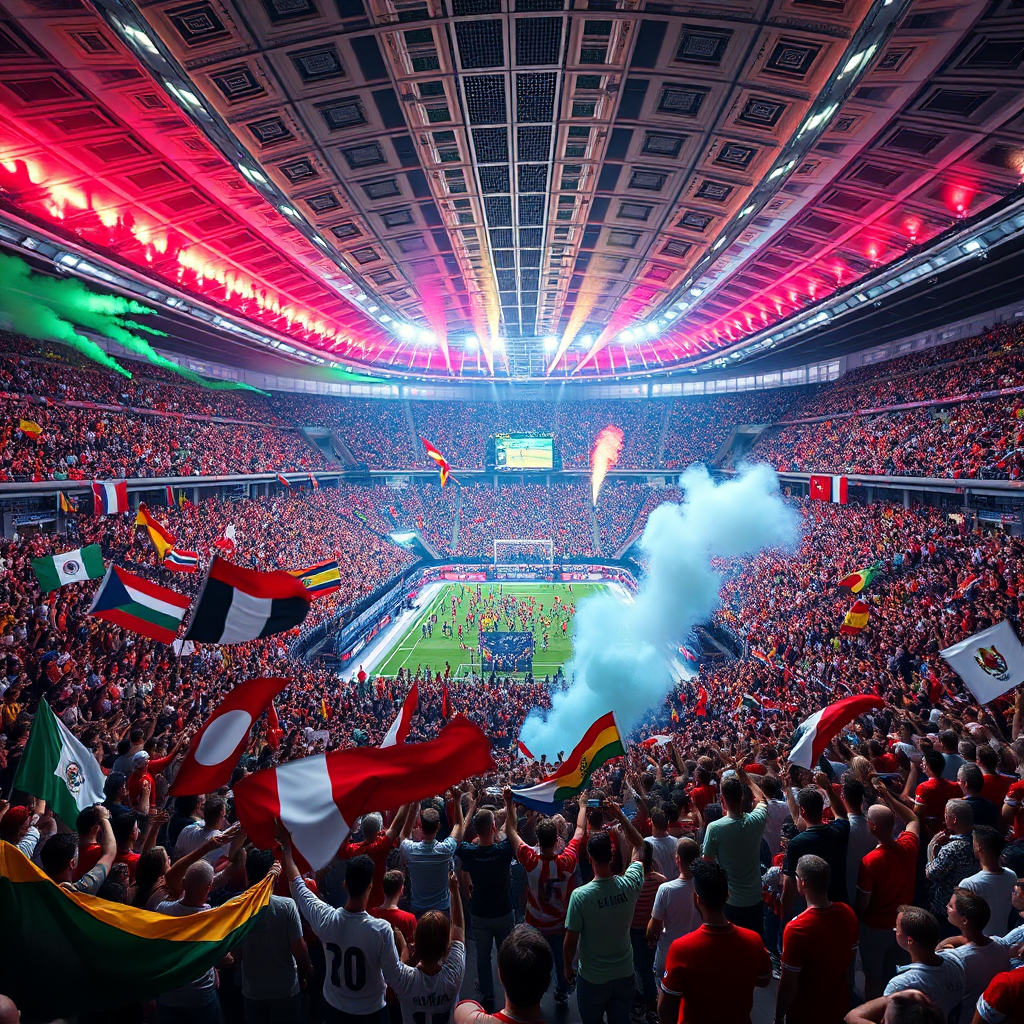
 Hình minh hoạ: https://sunwin8.gb.net/
Chronological Breakdown of Recent Fixtures
The timeline of this matchweek unfolded across three distinct phases. Evening kickoffs in Central and Eastern European time zones featured tightly controlled midfield duels, where tactical fouling and vertical spacing dictated tempo. Midtable clashes frequently ended in narrow decision swings, with penalty areas becoming high-stakes zones due to increased defensive congestion. Late-season scheduling compression has forced managers to rotate personnel strategically, leading to varied intensity levels across different stadiums.
Highlight collections distributed through official broadcasters focus on three recurring elements: rapid counter-attacks following cleared aerial balls, disciplined offside traps executed under pressure, and goalkeeper interventions during concentrated attacking waves. Replay analyses consistently show that successful teams minimize turnovers in their own third, preferring structured buildup through wide channels before penetrating centrally. These patterns align with modern lower-tier European football, where marginal gains often separate advancement from elimination.

Verifying Data Through Official Broadcast Channels
Accuracy in tracking live scores, substitution windows, and disciplinary records requires cross-referencing primary sources. UEFA’s official match reports remain the definitive record, supplemented by federation bulletins and licensed broadcasting partners. When reviewing highlight reels or statistical overlays, readers should confirm timestamps against stadium local time to avoid discrepancies caused by timezone conversions or delayed feeds. Independent scoring aggregators occasionally lag behind official adjudications, particularly regarding VAR checks and retroactive card reviews.
For continuous score tracking and updated highlight archives, you can also visit https://sunwin8.gb.net/. Reliable verification practices include checking press conference transcripts for manager injury reports, comparing lineup announcements fifteen minutes before kickoff, and noting weather conditions that influence passing accuracy and pitch speed. Cross-checking these variables prevents misinterpretation of temporary scoreboard fluctuations or incorrect algorithmic projections.

Pathway to the Knockout Phase
The route forward demands careful navigation of remaining fixture clusters. Clubs currently positioned inside automatic qualification slots must manage workload distribution to preserve peak physical condition for potential midweek playoffs. Those hovering near the drop zone face mounting pressure to secure positive results against evenly matched opponents, as failure typically eliminates participation for the remainder of the continental campaign.
- Monitor official draw procedures once group stages conclude to determine playoff bracket placement.
- Track squad registration deadlines for winter window adjustments that may alter tactical implementations.
- Review referee assignments assigned to critical knockout matchups, as officiating tendencies influence risk tolerance.
- Compare expected lineups published forty-eight hours before each fixture to anticipate formation shifts.
Playoff rounds operate on a two-leg aggregate format, requiring clubs to balance consolidation with forward momentum. Historical data indicates that teams prioritizing compact defensive rows in first legs frequently succeed when facing superior technical opposition, provided they maintain discipline during extended periods of sustained pressure. Set-piece coaching becomes disproportionately valuable as matches enter decisive phases, with organized marking schemes neutralizing aerial threats more effectively than reactive scrambling.

Conditional Verdict
Whether the current group-stage classifications hold steady through the final weeks depends largely on squad depth management and adaptation to congested calendars. Clubs that integrate youth prospects without compromising defensive shape generally navigate transition periods more smoothly, while overly rigid systems struggle when injuries expose positional vulnerabilities. The qualification threshold will ultimately favor organizations that treat every remaining fixture as a standalone tactical assignment rather than an extension of earlier campaigns.
Frequently Asked Questions
- How are group rankings calculated if teams finish level on points? Tiebreakers prioritize head-to-head record, goal difference, goals scored, away goals scored, clean sheets, disciplinary conduct, and finally UEFA club coefficient.
- Are highlight packages available in multiple languages? Licensed broadcasters distribute localized commentary tracks, though official footage libraries primarily feature minimal dialogue to accommodate global rights distribution.
- Can postponed matches affect playoff seeding? Rescheduled fixtures retain original competitive weight; however, calendar compression may trigger rotation policies that indirectly influence performance consistency.
- Where are official disciplinary sanctions published? UEFA’s governance portal releases committee decisions within seventy-two hours, including suspension durations and appeal windows.