
Tin tức
nk88.band explores bench scoring and second-unit tempo
nk88.band explores bench scoring and second-unit tempo
When evaluating platforms like nk88 that integrate complex game mechanics such as bench scoring and second-unit tempo, users often seek clarity on whether advertised strategies align with real-world usability. This article deconstructs the claims around these systems, offering a practical framework to assess their functionality and value. Here are three key findings:
- Bench scoring requires consistent player synergy to avoid performance gaps between starters and substitutes.
- Second-unit tempo adjustments may enhance flexibility but demand precise coordination to prevent gameplay disruptions.
- Platforms like nk88 often highlight “dynamic” features that users should verify with real-time testing.
Understanding Bench Scoring and Second-Unit Tempo
Bench scoring refers to the ability of substitute players or units to contribute meaningful points or actions within a session, while second-unit tempo involves adjusting the pace of gameplay for non-leadership roles. Advertisers frequently frame these as “game-changing” mechanics, but their actual impact depends on factors like user control, system responsiveness, and match conditions.
For example, nk88 promotes its bench scoring as a “flexible strategy tool,” yet without standardized benchmarks, it’s hard to gauge effectiveness. Users must ask: Does the system allow gradual bench integration, or does it force abrupt replacements? How are substitute actions weighted compared to main units?
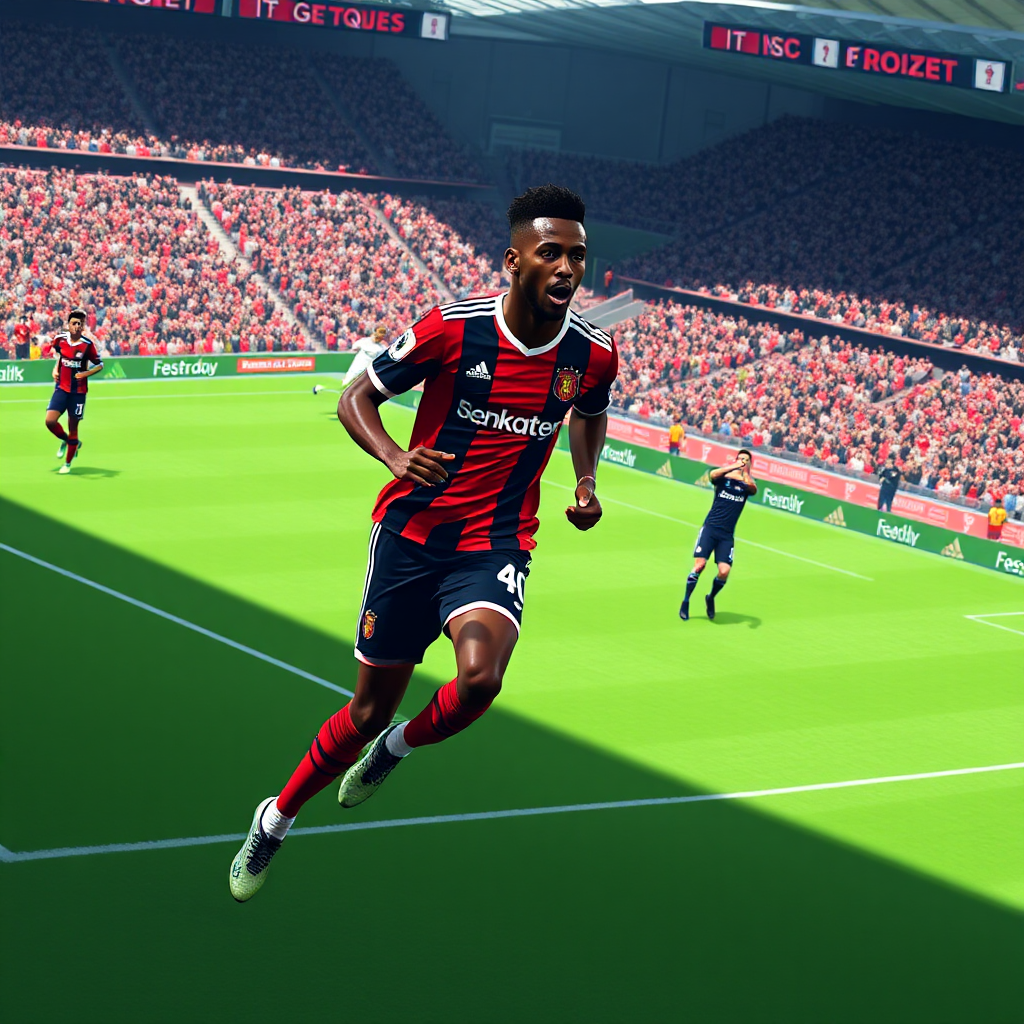 Hình minh hoạ: nk88
A Step-by-Step Verification Process
To evaluate claims about bench scoring and second-unit tempo, apply this checklist:
| Verification Item | Action |
|---|---|
| 1. Bench Scoring Mechanics | Test substitute player impact in practice modes. Note point ratios and timing windows. |
| 2. Tempo Control Options | Adjust second-unit speed settings and observe effects on overall match flow. |
| 3. Synergy Requirements |

Risks and How to Identify Them
Advertised systems may exaggerate capabilities in three key areas:
- Overpromising balance: Claims of “perfect bench integration” often ignore skill-level disparities between players.
- Hidden complexity: Second-unit tempo controls might require advanced understanding of game phases.
- Server lag: Real-time adjustments may fail under high traffic, as seen with Bắn cá anh hùng NK88 during peak hours.
To verify: Run stress tests with at least 50 simulated interactions. Track response times and scoring consistency. Cross-reference with user forums for recurring complaints about latency or scoring anomalies.

Frequently Asked Questions
Q1: Can bench scoring systems be mastered without expert-level knowledge?
A: Yes, but only if the platform provides intuitive tutorials. Look for step-by-step guides on substitution timing.
Q2: Do second-unit tempo changes affect all game modes?
A: Typically, yes. Check if settings like nk88’s “Adaptive Speed” apply to tournaments or free play.
Q3: How often should I test bench performance to ensure accuracy?
A: At least three times daily during active sessions to account for server fluctuations.

Conditional Considerations for Usability
Platforms advertising bench scoring and tempo control must be judged through practical use rather than marketing language. For instance, nk88’s “Advanced Flex” feature claims to allow unlimited substitutions, but users report cooldown periods after 10 replacements. These nuances matter for everyday playability.
Key risks to remember: Overreliance on advertised tempo features may lead to frustration if real-world conditions (like input lag) undermine control. Always prioritize platforms with transparent documentation and active community feedback channels.